Hi, Culinary Friends!
Never used a mixer or turned on an oven by yourself, but still want to learn how to bake? Of course you can!
Many people are interested in taking baking classes but hesitate because they’re unfamiliar with baking equipment, don’t understand all the terms in a recipe, or worry that their cakes might not turn out as expected. But guess what? That’s exactly what beginner baking classes are for!
When looking for beginner baking classes in Bandung, the most important question isn’t “Can I already bake a cake?” but rather “Is this class suitable for my experience level and learning goals?”
Some classes allow participants to make their own baked goods, while others focus on demonstrations by the instructor. The topics and difficulty levels can also vary depending on the class.
To help you choose the right one, let’s explore some essential skills worth learning when you’re just starting your baking journey.
Get to Know Your Baking Tools and Ingredients
Before mixing your first batch of batter, it’s helpful to understand the tools you’ll be using.
A kitchen scale helps you measure ingredients accurately, a mixer is used according to the recipe’s requirements, and even the type and size of your baking pan can affect your cake’s height and baking time.
You’ll also come across a term called mise en place, which means preparing and measuring all your ingredients before you begin.
This simple habit makes the baking process much more organized. You can check whether you have enough eggs, whether your butter needs to be softened, or whether the oven should be preheated.
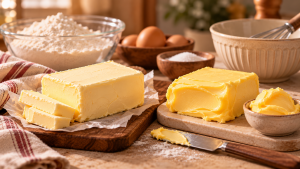
Curious about baking ingredients? Read our article on the differences between butter and margarine here.
For beginners, preparing ingredients might not seem as exciting as decorating a beautiful cake. But this is where good baking habits begin!
Learning to prepare everything beforehand helps you follow recipes with confidence and reduces the chances of forgetting an important ingredient.
Understand What Each Ingredient Does
Baking isn’t just about throwing ingredients into a bowl and mixing them together.
Flour, eggs, sugar, fats, and leavening agents each have their own roles in a recipe. Once you understand what they do, the instructions start to make much more sense.
For example, the type of flour you choose can affect the final texture of your baked goods. Butter and margarine also behave differently when used in cakes.
Don’t worry, Culinary Friends! You don’t need to memorize everything on your first day.
Instead, start asking yourself two simple questions: What is this ingredient used for? And what might happen if I change its quantity or substitute it with something else?
If you’d like to learn about one of the most essential baking ingredients before attending class, check out our guide to choosing the right flour for baking.
A little background knowledge can help you feel more confident when your instructor starts explaining the recipe.
Practice Basic Baking Techniques Step by Step
Once your tools and ingredients are ready, it’s time to explore some basic baking techniques!
Depending on what you’re making, you might learn how to beat ingredients until they reach a certain consistency, combine wet and dry ingredients, gently fold batter, or shape dough before baking.
At this stage, the goal isn’t simply to follow instructions. It’s also about learning what to look for.
How can you tell when your batter is properly mixed? When should you stop beating the mixture? Why is it important to monitor oven temperature and baking time?
Understanding these details helps you learn the process rather than simply copying your instructor’s movements.
The products you’ll make depend on the theme of the class. Cookies and sponge cakes, for example, can be useful for learning basic baking skills, but always check the menu and schedule of the class you’re interested in.
Different recipes and products may require different techniques and preparation methods.
Choose Between Hands-On Classes and Baking Demonstrations
Before signing up, make sure you understand whether your chosen session is a hands-on class or a demonstration.
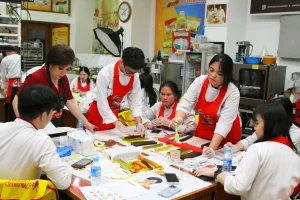
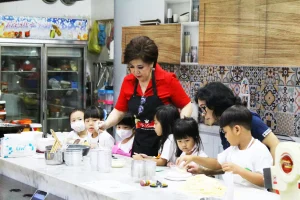
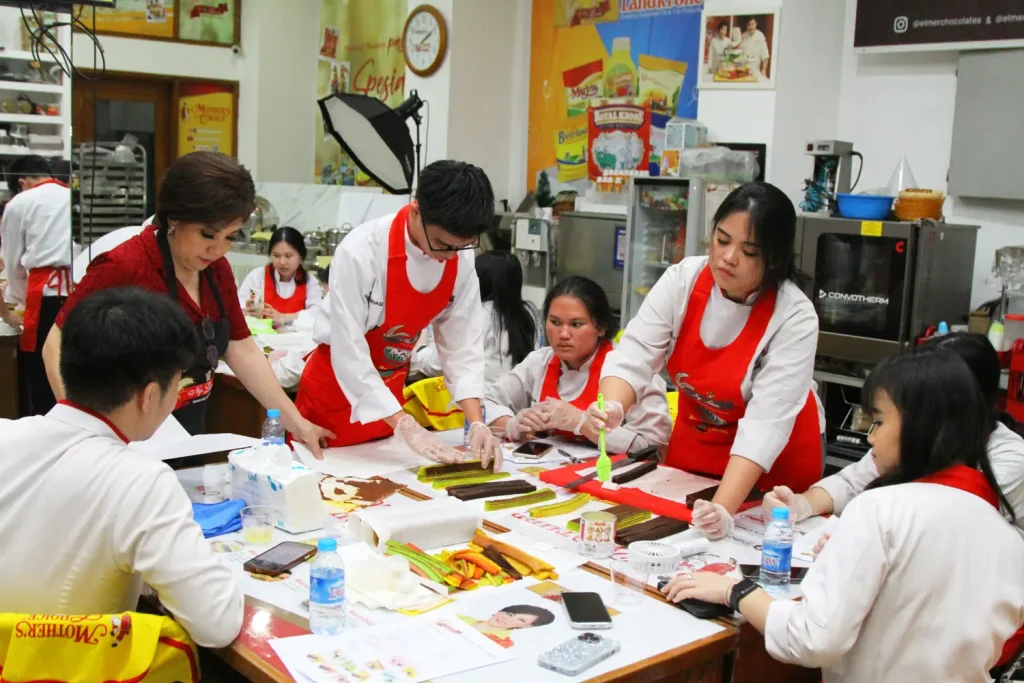
In a hands-on baking class, participants make the products themselves with guidance from the instructor. You’ll have the opportunity to practice techniques, feel the texture of the batter or dough, and discover which steps you may need to improve.
In a baking demonstration, the instructor shows participants how to make a product while explaining the process and answering questions.
This format can also be helpful if you’d like to observe specific techniques before trying them at home.
Both formats offer different learning experiences, so the best choice depends on what you hope to achieve.
If your main goal is to practice using baking equipment and making your own batter or dough, ask our team whether the class is hands-on.
And remember, Culinary Friends, don’t choose a class based only on the menu name or photos. Make sure the learning format matches your expectations, too!
Learn from Results That Aren’t Quite Perfect
Did your cake rise less than expected? Or maybe the color isn’t as even as you’d hoped?
That doesn’t mean you’ve failed!
In fact, these results can become valuable learning opportunities. You can discuss whether the ingredients were measured correctly, how the batter was mixed, or whether the oven temperature was appropriate.
Try taking notes during class. Write down what the batter looked like before going into the oven, how long it was baked, and any suggestions your instructor shared for your next attempt.
When you try the recipe again at home, these notes may be far more useful than simply remembering how the finished cake looked in a photo.
And please remember, Culinary Friends, baking skills develop through practice and evaluation.
After attending one class, you might have a better understanding of how to read recipes and perform basic techniques. However, the confidence to bake independently will continue to grow as you practice.
Every attempt teaches you something new!
What Should You Prepare Before Attending a Baking Class?
You don’t need to master baking terminology before joining a beginner class.
However, there are a few practical things worth checking before registering:
- Class theme and difficulty level: Is the class suitable for beginners?
- Learning format: Will it be hands-on, a demonstration, or a combination of both?
- Schedule and duration: When will the class take place, and how long will it last?
- Class fees: What is the registration cost?
- Equipment and ingredients: What will be provided during the session?
- Items to bring: Is there anything participants need to prepare themselves?
It’s also a good idea to write down any questions you have.
For example, you could ask, “Is this class suitable for someone who has never baked before?” or “Will participants be able to take home the recipe and the products they make?”
Our team can help you clarify these details so you can choose a class that matches your learning goals.
Frequently Asked Questions About Beginner Baking Classes
Can I join a baking class if I’ve never baked before?
You can look for classes designed for beginners.
Let our team know about your experience before registering so they can help recommend a suitable session and explain whether any basic skills or preparation are required.
Do all baking classes include hands-on practice?
Not necessarily.
Ny. Liem offers different class formats depending on the program and schedule. Some sessions may be hands-on, others may focus on demonstrations, and certain classes may combine both approaches.
Always confirm the format of your chosen session before registering.
Do I need to bring my own mixer and baking pans?
Don’t assume that every baking class has the same equipment arrangements, Culinary Friends!
When registering, ask Do I need to bring my own mixer and baking pans? Our team will explain to you which tools and materials will be provided and whether there’s anything you need to bring.
How long will it take before I can bake on my own at home?
There’s no single timeline that applies to everyone.
Your progress will depend on the recipes you’re learning, your previous experience, and how often you practice after class.
A good starting point is to repeat the recipe you learned during your session and take notes on how your results change with each attempt.
Where can I find the class schedule, fees, and registration details?
Visit the Ny. Liem Baking Classes page for the latest information, and contact our official team to confirm the details of your preferred class.
Schedules, class formats, fees, and available seats may change, so it’s always best to check before registering.
Start with a Baking Class That Matches Your Goals
Learning to bake from scratch doesn’t mean you have to make a perfect cake on your first try.
Start by understanding your tools and ingredients, practice techniques that match your current abilities, and learn something from every baking experience.
Step by step, you’ll begin to understand not just how to follow a recipe, but why each step matters.
LPK Ny. Liem Heritage is located at Jl. Naripan No. 80, Bandung.
If you’re considering beginner baking classes in Bandung, take a look at Ny. Liem’s available baking classes or chat with our team on WhatsApp to find out which session would be the best fit for your first step into baking.
We’d love to be part of your baking journey!
See you in class, Culinary Friends! ❤️