A Trusted Baking School in Bandung Since 1971
Finding the right baking classes in Bandung involves more than choosing an attractive recipe. Prospective students also need to consider the instructor’s experience, learning method, facilities, course structure, and the value of the certificate offered.
LPK Tata Boga Ny. Liem has provided baking and cooking education in Bandung since 1971. Over more than five decades, the institution has welcomed generations of students with different interests and professional goals.
Some participants join to improve their home-baking skills. Others want to prepare for a culinary career or develop products for a food business.
LPK Ny. Liem operates as a culinary vocational training institution with permission from the Bandung City Education Office. Therefore, its programmes combine Ny. Liem’s long culinary heritage with a structured learning environment. Whether you are a complete beginner, an experienced home baker, or an aspiring food entrepreneur, Ny. Liem offers programmes designed to help you develop practical culinary skills.
Baking and Cooking Programmes at Ny. Liem
LPK Ny. Liem Heritage provides you several types of courses. Each programme serves a different learning objective, schedule, and level of experience. Before registering, participants should check the latest programme details with the course administrator. Recipes, instructors, class formats, and schedules may vary between sessions.
Regular Baking and Cooking Classes
Regular classes are suitable for participants who want to learn specific recipes according to a published schedule.
Depending on the programme, class topics may include:
- Basic cakes
- Bread
- Pastries
- Traditional Indonesian cakes
- Roll cakes
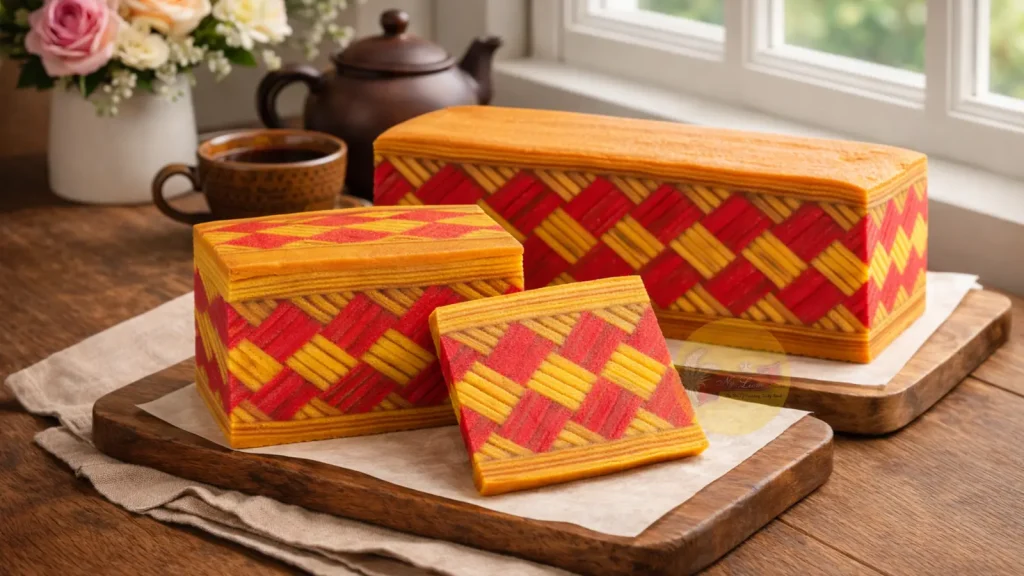
- Lapis legit
- Premium cakes
- Desserts
- Savoury dishes
- Other culinary products
The institution determines the topic and schedule for each class. Participants can then select the sessions that match their interests and availability.
As a result, regular classes offer a flexible way to build skills gradually. Students do not need to commit to a long programme immediately. Instead, they can begin with a particular recipe or technique. These classes are suitable for home bakers, culinary enthusiasts, and anyone interested in learning new recipes in a structured environment.
Private and Custom Classes
Ny. Liem also offers private or specially arranged classes for individuals, groups, organisations, and companies.
Unlike regular classes, private programmes may be adapted to a participant’s specific goals. For example, a culinary business owner may request training focused on one product category. Meanwhile, a company may arrange a cooking demonstration or culinary workshop for employees.
Custom programmes may include:
- Private individual lessons
- Small-group baking classes
- Corporate culinary workshops
- Cooking demonstrations
- Product-specific training
- Intensive classes for food entrepreneurs
- Skills-development programmes for institutions
This flexibility is particularly useful for participants who need focused training rather than a general introduction to baking. However, the available topics, fees, duration, and minimum number of participants may differ. Prospective students should discuss their requirements directly with the Ny. Liem course administrator.
Culinary Certification Programmes
LPK Ny. Liem also provides structured culinary certification pathways.
The source programme describes three levels:
A1: Basic Level
The A1 level is intended for beginners who need a strong foundation in culinary skills. Participants can begin by learning essential preparation methods, basic techniques, and good working practices.
A2: Skilled Level
The A2 level is designed for participants who already understand the basics and want to develop more advanced skills.
At this stage, students are expected to demonstrate greater consistency, independence, and technical control.
A3: Advanced Level
The A3 level is intended for participants seeking a higher level of professional culinary competency.
It may be relevant for people who already have practical experience and want to strengthen their professional credentials. Certification requirements, assessment procedures, issuing authorities, and programme availability can change. Therefore, participants should confirm the current certification framework directly with LPK Ny. Liem before enrolling.
Community Culinary Training
In addition to commercial courses, LPK Ny. Liem has also participated in community-oriented culinary training programmes.
These programmes may be organised in collaboration with public institutions, private organisations, or community groups. Their purpose is to provide practical food-production skills that can support employment or independent income generation. Culinary training can offer participants more than the ability to follow a recipe. With suitable guidance, these skills may become the foundation for a home business, catering service, bakery, or other food-related activity.
Hands-On Baking Classes
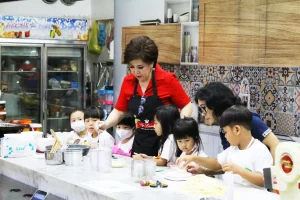
One of the main strengths of studying at Ny. Liem is the opportunity to learn through direct practice.
In a hands-on baking class, participants prepare the product themselves under the guidance of an instructor. This approach allows students to experience each stage of the process, rather than simply observing the final result.
Participants can learn how to:
- Measure ingredients correctly
- Follow the correct preparation sequence
- Recognise suitable textures
- Use baking tools safely
- Control mixing and baking techniques
- Identify mistakes during production
- Improve the appearance of the finished product
Direct practice also helps students understand details that may be difficult to learn from recipes or videos alone.
For example, a written recipe may state that a mixture should be beaten until it reaches the correct consistency. During an in-person class, however, an instructor can show students what that consistency actually looks and feels like. This immediate guidance can make the learning process clearer and more effective
Hands-On Classes and Demonstration Classes
Not every Ny. Liem class uses the same format.
Classes marked as hands-on allow participants to prepare their own products with instructor support. Meanwhile, some regular classes may use a live demonstration format.
During a demonstration class, students observe the instructor preparing the recipe step by step. They can take notes, ask questions, and learn directly from the process.
Both formats have benefits.
Hands-on classes are suitable for participants who want direct practice and personal feedback. Demonstration classes may be useful for learners who want to observe several techniques efficiently or explore a new recipe before attempting it independently. For this reason, prospective students should check the class format before registering.
Beginner-Friendly, Step-by-Step Learning
You do not need previous baking experience to join many of the programmes at Ny. Liem.
The classes are designed to explain the process systematically. Instructors guide participants through each stage without assuming that everyone already understands baking terminology or techniques.
Beginners can learn how to prepare ingredients, use equipment, follow a recipe, and recognise important signs during the baking process.
In addition, students can ask questions when they encounter difficulties. This creates a more supportive learning environment than trying to solve every problem alone at home. Over time, structured practice can help participants build confidence and become more independent in the kitchen.
Experienced Instructors and Guest Teachers
Classes at LPK Ny. Liem are taught by instructors with practical experience in baking, cooking, and culinary education.
Depending on the programme, guest instructors may also be invited to share specialised knowledge or introduce different products and techniques.
Learning from experienced instructors provides several advantages. Students can receive direct explanations, observe professional working methods, and understand why a particular technique succeeds or fails.
More importantly, instructors can provide feedback during the learning process. This allows participants to correct mistakes before they become repeated habits.
A Classroom Equipped for Culinary Practice
The classrooms at Ny. Liem provide equipment for baking and cooking activities.
Depending on the class, facilities may include:
- Stand mixers
- Hand mixers
- Conventional ovens
- Digital ovens
- Baking pans and moulds
- Mixing and preparation tools
- Other culinary equipment
Participants generally do not need to bring large baking equipment from home. However, they should confirm whether a particular class requires personal items, containers, stationery, or other supplies.
A properly equipped learning environment allows students to focus on understanding the techniques being taught.
Who Can Join Ny. Liem’s Baking Classes?
The courses are open to participants from different backgrounds and experience levels.
Complete Beginners
People who have never baked before can start with beginner-friendly classes. Step-by-step guidance helps them learn the fundamentals without feeling overwhelmed.
Home Bakers
Home bakers can develop more structured skills, improve existing recipes, or explore new product categories.
Aspiring Culinary Entrepreneurs
People planning to open a bakery, catering business, home-based food brand, or online cake shop can use the courses to build a stronger technical foundation.
Food Business Owners
Existing culinary business owners may join product-specific or private training to improve their menu, production process, or team capabilities.
Professionals Considering a Career Change
Employees and professionals interested in moving into the food and beverage industry can begin developing practical skills through culinary training.
Participants from Outside Bandung
Ny. Liem has also welcomed participants who travel to Bandung specifically for culinary training.
However, students from outside the city should confirm the schedule, duration, and class availability before arranging transportation or accommodation.
Baking Skills for Culinary Entrepreneurship
For aspiring entrepreneurs, learning to bake is only the beginning.
A food business requires products that can be prepared consistently. Customers expect the same taste, appearance, portion, and quality whenever they place an order.
Structured culinary training can help participants understand the production process more clearly. They can also learn how small changes in measurements, temperatures, ingredients, and timing affect the final product.
However, a baking course does not automatically guarantee business success. Participants still need to consider pricing, packaging, food safety, marketing, customer service, and financial management.
Nevertheless, strong production skills provide an important foundation for building a reliable culinary product.
Why Choose LPK Ny. Liem?
Bandung offers many online and offline baking courses. However, Ny. Liem Heritage brings together several distinctive qualities.
More Than Five Decades of Experience
Its history in culinary education began in 1971. This long record reflects experience in teaching students with different needs and levels of ability.
Structured Culinary Training
Participants learn through organised programmes rather than relying only on informal recipe demonstrations.
Practical Learning Opportunities
Hands-on classes allow students to practise techniques and receive guidance during the process.
Programmes for Different Goals
Students can choose from regular classes, private programmes, certification pathways, and selected community training activities.
A Recognised Culinary Heritage
Ny. Liem is part of Bandung’s long-established baking community. Its bakery, baking supplies store, and culinary courses create an integrated environment for learning about food production.
How to Select the Right Baking Class
Before registering, consider what you want to achieve.
A beginner who wants to learn one cake recipe may prefer a regular class. In contrast, an aspiring entrepreneur who wants to master a specific product may benefit from an intensive or private programme.
Ask the administrator about:
- The class topic
- The required skill level
- Whether the class is hands-on or demonstration-based
- The instructor
- Class duration
- Materials and equipment provided
- The number of participants
- Course fees
- Certificate availability
- Products participants can take home
- Registration and cancellation policies
Clear information will help you choose a programme that matches your expectations.
How to Register for a Class
Class schedules are announced periodically through Ny. Liem’s official communication channels.
Because participant numbers may be limited, early registration is recommended. Prospective students should contact the official administrator to confirm the schedule, class format, fees, available places, and payment procedure.
Avoid transferring payment through unofficial accounts. Always verify that registration information comes from Ny. Liem’s official website, Instagram account, or authorised WhatsApp contact.
Visit LPK Tata Boga Ny. Liem in Bandung
Course location:
Jl. Naripan No. 80
Kebon Pisang, Sumur Bandung
Bandung, West Java 40112
For current schedules, class topics, registration information, and programme availability, contact Ny. Liem through its official channels.
Website: nyliem.com
Instagram: @ny_liem
Whether you are learning for personal enjoyment or preparing for a culinary business, Ny. Liem’s baking classes in Bandung offer a structured place to develop your skills through practical instruction.